Carved Wooden Panel 3d Model
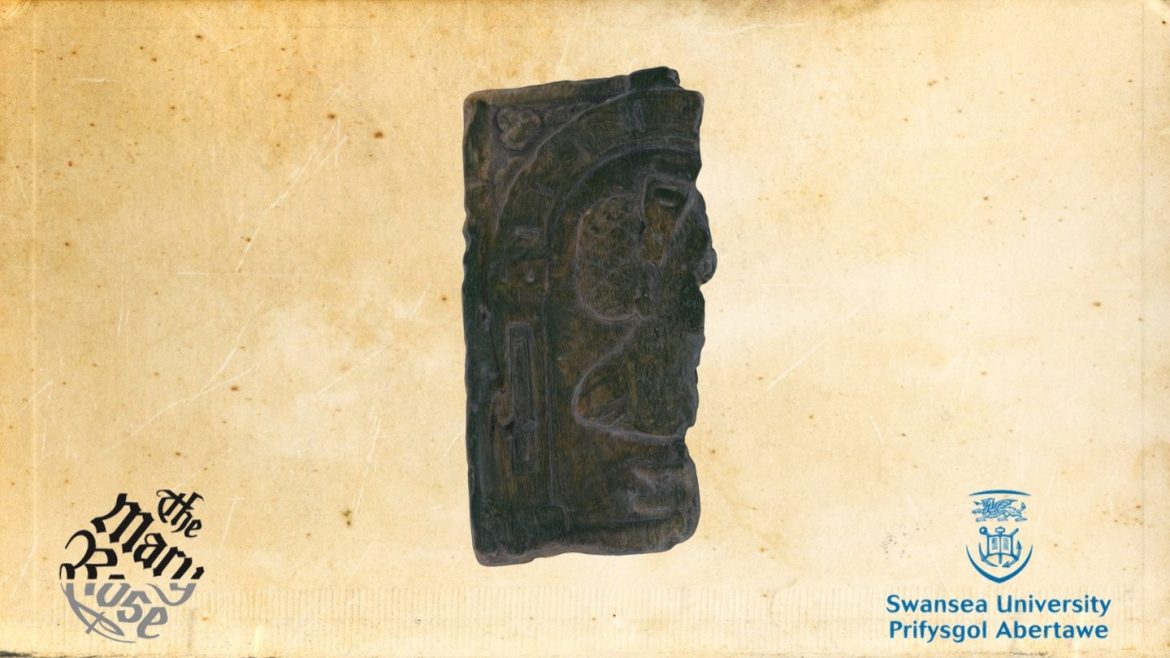
This artefact’s journey from the seabed to digital preservation highlights remarkable archaeological efforts. The Mary Rose, King Henry VIII’s flagship, sank during the Battle of the Solent in 1545, preserving a unique time capsule of Tudor life. Modern photogrammetry techniques meticulously captured this panel’s intricate details, making it accessible for study and appreciation far beyond the physical museum display. The visible damage from Teredo worms along one edge serves as a poignant reminder of its long submerged existence, adding another layer to its compelling narrative.
Carved Wooden Panel 3d Model – Unearthing Tudor History
The recovery of the Mary Rose revolutionized our understanding of Tudor England, offering an unprecedented collection of artefacts from a single moment in time. Among these treasures, carpenters’ tools and personal belongings provided a direct connection to the individuals who lived and worked on the warship. This specific panel, part of the ship’s internal decor, underscores the unexpected blend of utility and ornate craftsmanship present even on a vessel of war.
Archaeologists carefully extracted and conserved thousands of items, each telling a piece of the ship’s story. The meticulous process of excavating the wreck and preserving its contents ensures that future generations can explore the rich heritage of King Henry VIII’s navy. This particular panel stands as a significant piece within that grand historical puzzle.
Carved Wooden Panel 3d Model – Artistry and Archaeology Combined
Expert 3D artists and historians collaborated to transform physical artefacts into precise digital representations. Utilizing advanced photogrammetry, they captured every nuance of the original oak carving, from the texture of the aged wood to the subtle curves of the female profile. This digital capture method creates a high-fidelity replica, preserving the artefact’s current state while allowing for detailed virtual examination.
The female head, rendered in a classical style, reflects artistic trends prevalent across Europe during the early Tudor period. Her coif, a close-fitting cap, was a common headwear choice for women of the era, further cementing the panel’s historical authenticity. Despite its incomplete nature and the visible worm damage, the panel’s artistic merit remains undeniable, speaking volumes about the skill of its original carver.
Digital Reconstruction Details
This digital asset offers an exceptional opportunity for detailed study, revealing aspects that might be challenging to observe on the physical object. The intricate details of the carving and the signs of its centuries-long submersion are faithfully represented.
- High-resolution texture maps accurately portray the aged oak grain and surface imperfections.
- Precise geometric capture showcases the subtle relief and form of the carved female head.
- Clearly visible Teredo wormholes along the edge provide unique historical and environmental context.
- Optimized mesh ensures efficient rendering across various 3D applications and platforms.
Researchers and enthusiasts alike can manipulate and inspect this carved wooden panel 3d model from any angle, gaining new perspectives on its construction and decay. This detailed digital twin serves as a crucial resource for academic research and educational outreach, making history tangible.
Bringing Ancient Artefacts to Life
The initiative to digitize artefacts from the Mary Rose, spearheaded by projects like VirtualTudors.org, provides unparalleled access to historical data. These digital models empower students, researchers, and the general public to engage directly with history, fostering a deeper appreciation for archaeological discoveries. The ongoing research into the carpenters’ artefacts, including osteology studies, further exemplifies the multidisciplinary approach to understanding the past. Discover the broader story of the Mary Rose and its incredible recovery at MaryRose.org. For other high-detail models, consider checking out our Scifi Battleship Leviathan.
Seller Original Description
From the recovery of the Mary Rose, a tudor warship that sank in 1545 during the battle of the solent.One of only two carved panels found, this incomplete panel is carved in oak to show a female head in profile facing right behind an arch. She is wearing a coif and depicted a very classical style, typical of the first half of the sixteenth century. This panel has been partially destroyed by worms, probably Teredo worms, with holes clearly visible along one edge.This and many more of the carpenters artefects (including his skull) were modelled using photogrammetry and can be found at: www.VirtualTudors.orgIf you have an interest in osteology, or know anyone who does, please sign up to help out with our research in the “Research” tab of the website.With thanks to www.MaryRose.org
Extended Use License
has been added to your cart!
have been added to your cart!
Your Recently Viewed Downloads
 Music Album
 You must log in and be a buyer of this download to submit a review.
| ABOUT THE SELLER |
 |
| SELLER-USER-NAME | MaryRose@SwanseaUniversity |
| 3D Model formats | FBX, OBJ, BLENDER, TEXTURES, Materials |
| 3D Model details | VR / AR / Low-poly, Textures, Materials, UV Mapping, Scale transformations |
| Triangles | 314.7k |
| Vertices | 157.4k |
| Category | Cultural Heritage & History, Science & Technology |
| Tags | archaeological artefact, carpenter, carved, carved wooden panel, carved wooden panel 3d model, historical, mary, Mary Rose, maryrose, oak carving, panel, photogrammetry, rose, swansea, tudor, warship, wooden |