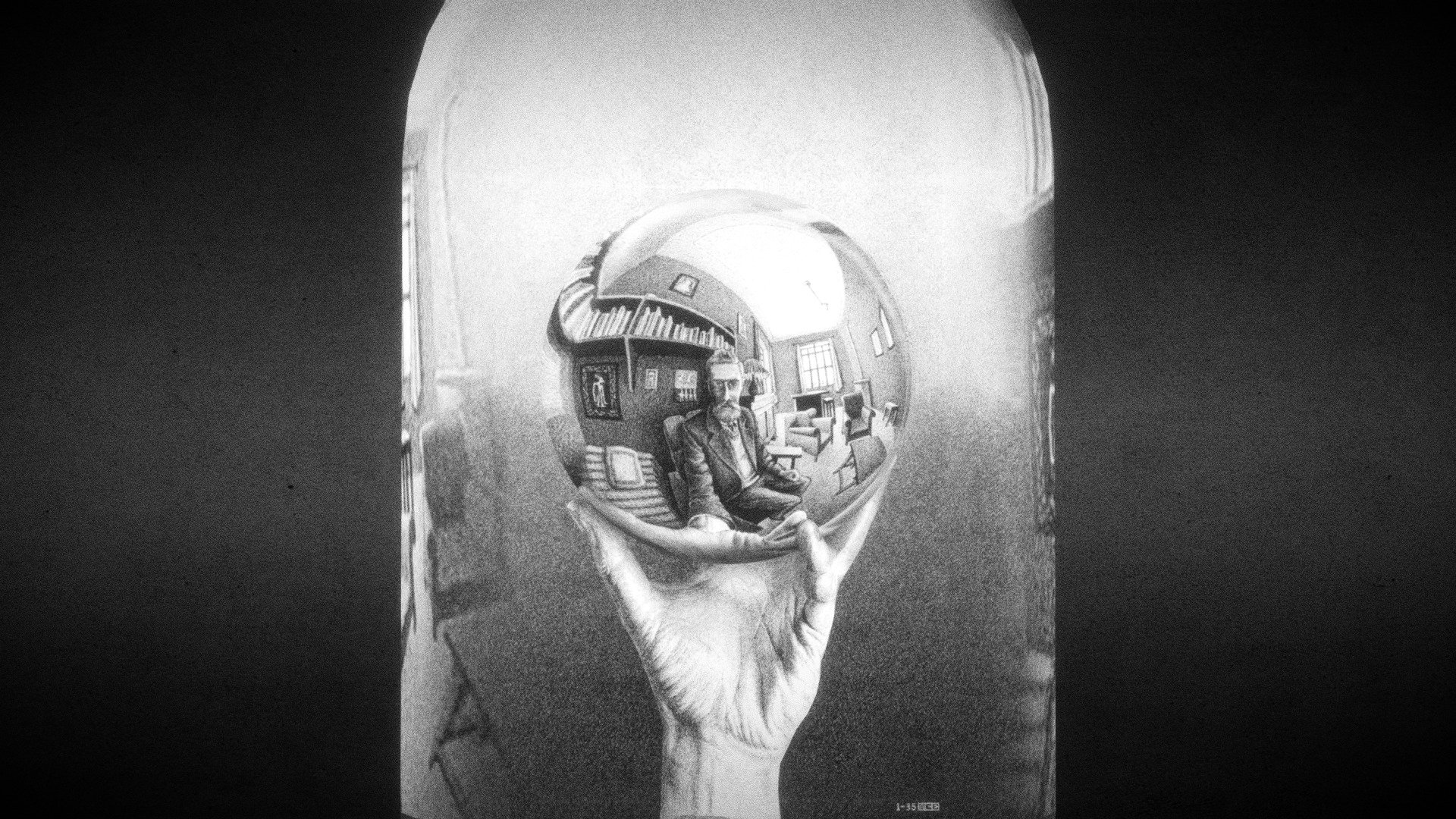
Radio Test Bomb 3d Model
This digital recreation meticulously captures the extraordinary experimental nature of the 1944 radio-guided 2000lb test bomb, an artifact that pushed the boundaries of wartime ordnance technology. Originally designed to provide precision targeting capabilities during World War II, this formidable weapon incorporated rocket boosters to generate the necessary lift for aerial control once released. Its remnants, discovered alongside a smashed RCA video camera shell and B-29 aircraft parts in Tonopah, Nevada, tell a compelling story of innovation, testing, and the relentless pursuit of military advancement.
Radio Test Bomb 3d Model – Unveiling a Wartime Enigma
The development of guided munitions represented a monumental leap in military engineering during the mid-20th century. This specific 2000lb test bomb stands as a testament to those early efforts, where engineers grappled with the complexities of controlling massive payloads from a distance. The inclusion of rockets was a pioneering solution, intended to stabilize and direct the bomb immediately after deployment, allowing rudimentary radio signals to guide it towards its target with greater accuracy than conventional free-fall bombs.
This experimental ordnance signifies a critical juncture in military history, bridging the gap between unguided gravity bombs and the sophisticated precision-guided munitions of today. Its design reflects the urgent demands of a global conflict, where every technological edge could dramatically alter the course of battle.
Radio Test Bomb 3d Model – Engineering for Precision and Power
The sheer scale of a 2000lb explosive device, combined with the ambition of radio guidance, highlights the audacious engineering challenges of the era. The bomb’s structure accommodated both its devastating payload and the intricate, albeit nascent, control mechanisms. Rocket acceleration provided the initial thrust and aerodynamic stability, crucial for the subsequent radio command inputs to have any effect. This dual propulsion and guidance system was revolutionary, indicating a clear path toward future weapon systems that would redefine aerial warfare.
Engineers faced immense hurdles in integrating radio receivers, control surfaces, and powerful boosters onto a single, robust airframe. The historical context reveals a period of intense experimentation, where successes were celebrated and failures meticulously analyzed, all contributing to the rapid evolution of military technology.
Echoes from Tonopah’s Past
The Tonopah, Nevada site offers a unique window into the testing grounds of these advanced weapons. The discovery of the bomb’s wreckage, nestled near parts of a B-29 and an unlikely artifact like an RCA video camera shell, paints a vivid picture of the environment where such groundbreaking trials took place. Our radio guided test bomb 3d model meticulously recreates these historical details, inviting viewers to explore this pivotal piece of military heritage.
This digital artifact not only presents the bomb itself but also subtly hints at the broader context of its discovery, enhancing its historical resonance and visual narrative. The textures and forms convey the age and the rugged purpose of the original.
- Authentic representation of the bomb’s weathered metallic shell and surface imperfections.
- Detailed modeling of the integral rocket booster units, showcasing their attachment points.
- Accurate portrayal of the bomb’s fins and control surfaces designed for radio guidance.
- Inclusion of subtle environmental cues that suggest its historical resting place.
The Legacy of Experimental Ordnance
While the immediate impact of these early radio-guided bombs on WWII outcomes remains a subject of historical debate, their long-term influence on military doctrine and technological progression is undeniable. The legendary, albeit apocryphal, tale of a similar bomb being fitted with a saddle for Slim Pickens in a cinematic context only adds to the mystique surrounding these fascinating devices. They paved the way for the sophisticated smart bombs and cruise missiles that dominate modern battlefields, transforming the precision and lethality of aerial attacks.
This detailed recreation offers a chance to examine a crucial step in that evolution, making it an invaluable resource for historians, enthusiasts, and 3D artists alike. Learn more about early guided munitions on Wikipedia. For other high-detail models, consider checking out our Constellation scepter.
Seller Original Description
This 1944 radio guided bomb was accellerated by rockets to provide lift for radio control once dropped. The aluminium shell of a smashed RCA video camera sits beside the wreck of this bomb and parts of a B-29 in Tonopah Nevada. It is said that one of these was made for Slim Pickens with a saddle. https://upload.wikimedia.org/wikipedia/en/7/73/Slim-pickens_riding-the-bomb_enh-lores.jpg69 images
Extended Use License
has been added to your cart!
have been added to your cart!
Your Recently Viewed Downloads
 Vintage Coffee Table (Clean and Dirty)
 You must log in and be a buyer of this download to submit a review.
| ABOUT THE SELLER |
 |
| SELLER-USER-NAME | John Toeppen |
| 3D Model formats | FBX, OBJ, BLENDER, TEXTURES, Materials |
| 3D Model details | VR / AR / Low-poly, Textures, Materials, UV Mapping, Scale transformations |
| Triangles | 80k |
| Vertices | 39.9k |
| Category | Cultural Heritage & History, Electronics & Gadgets |
| Tags | 1944, alien-highway, aviation history, bomb, experimental weapon, guided, military ordnance, nevada, radio guided test bomb 3d model, radio-controlled, rocket propelled, rocket-assist, tonopah, Tonopah Nevada, video-guided, vintage weapon, Weapons, WWII bomb |